Garage Floors
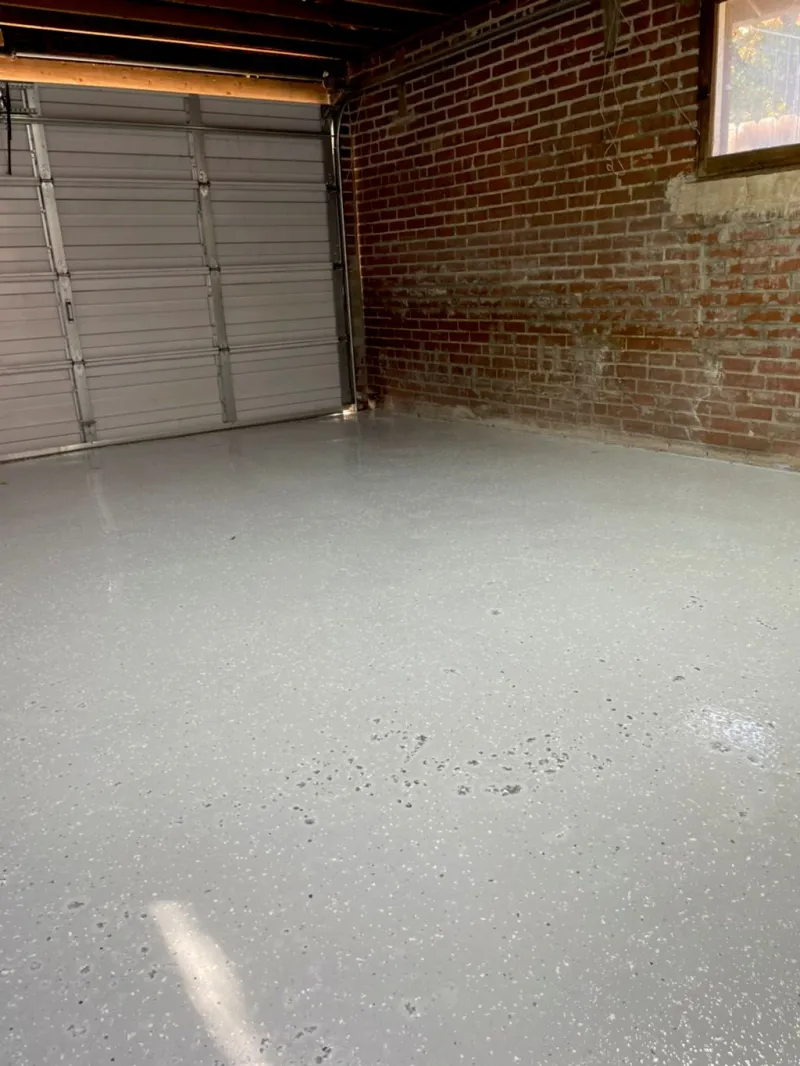
A ground, patched and sealed garage floor that shrugs off ice melt, hot tires and oil — and wipes clean with a shop broom.
Learn More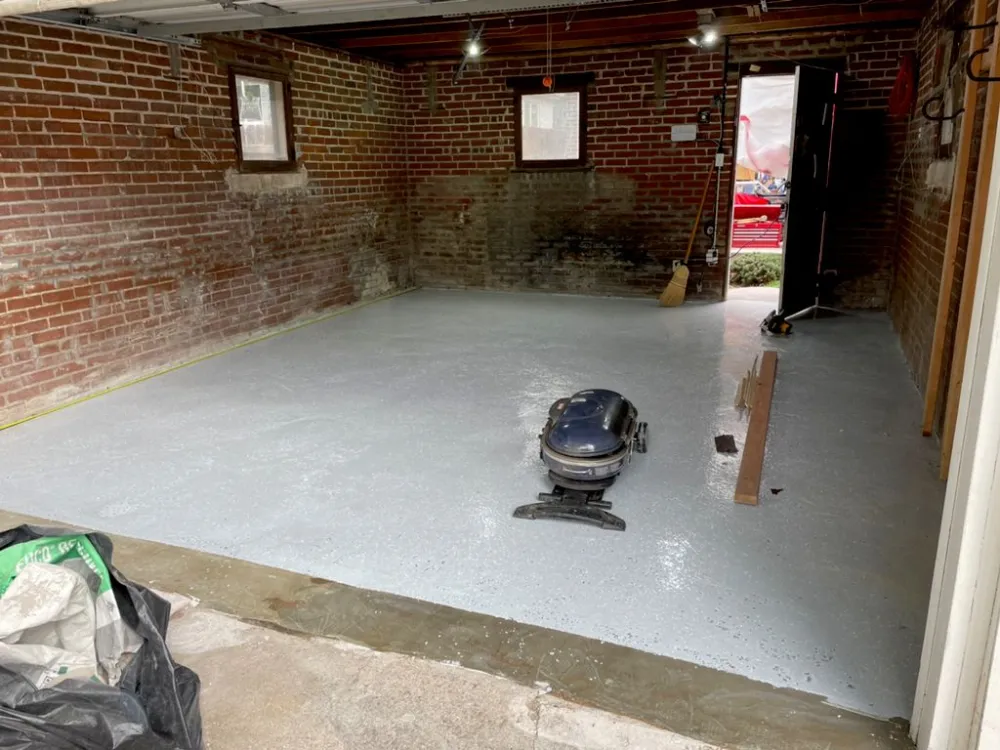
Concrete sealing is the lowest cost protection a Denver slab can get, and it works on sound concrete. Bare concrete is porous, so it pulls in water, deicer and oil through the whole surface. Water that soaks in freezes overnight, then pops the top layer off in flakes and craters. We seal driveways, walks, patios, garage slabs, basement floors and shop floors across the Denver metro and the Front Range.
A sealer protects concrete that is already in good shape, and it leaves the slab looking close to normal. Cracks, deep pits and oil soaked spots need repair first, or a full coating over the whole floor. When the slab is past sealing or you want a new look, coating the garage instead makes more sense. Outdoor slabs that want real color and grip belong on our pool deck and patio coatings page.
Tell us about your project — we’ll get right back to you.
The Front Range runs an aggressive freeze-thaw cycle from fall through spring, and every slab moves with it. Water sits in the pores of bare concrete, freezes overnight, and pushes the surface apart from the inside. You see it as scaling and spalling: thin flakes lifting off, then shallow craters across the top layer. Snowmelt collects just inside the garage door, and that strip is where the damage usually shows up first.
The state sprays magnesium chloride on the highways all winter, and tires carry it home onto driveways and garage floors. It works down into the pores of bare concrete and breaks the surface apart from the inside out. Ice melt on steps, walks and patios does the same, and sun at altitude fades unsealed color. We see the same scaling on bare driveways and walks in Lakewood, Arvada and Westminster every spring.
Penetrating sealers soak down into the concrete and leave the look of the slab almost unchanged. There is no film sitting on top, so there is nothing to peel, flake or go cloudy in the sun. They block water and deicer, which is what a driveway, a walk or a broom-finish patio needs. This is the usual pick for exterior flatwork that is sound and already close to the color you want.
Film-forming sealers, acrylic or urethane, sit on the surface and add sheen and stain resistance. Stamped concrete, exposed aggregate and interior floors get this family, because the color needs to come back. On a polished or hard-troweled floor we run a densifier first to harden the surface, then seal it. Where a film sealed surface gets wet, we broadcast anti-slip grit such as aluminum oxide into the top coat.
Denver Custom Coatings has been coating floors since 2008, and every sealing job starts the same way. You get a free on-site walk-through and a written quote that holds unless the scope changes. Prep comes next: pressure washing outside, grinding where the sealer needs a mechanical key, and crack repair. A failed old sealer gets stripped off, and the slab dries all the way through before we seal.
Sometimes a sealer is the wrong answer for your slab, and we say so at the walk-through. Concrete that is badly pitted, oil soaked or lifting in sheets needs repair and resurfacing first, then a full coating. Sealed surfaces also get renewed on a cycle, and outdoor film-forming sealers come back sooner than penetrating ones. Watch for water that stops beading on the surface, or a sheen that has gone flat.
Free, no-obligation estimates across Denver and the surrounding metro.
(720) 691-6294From the first walk of the floor to the final one, here is exactly how it goes.
We come out, look at the actual slab and talk about how the space gets used. Cracks, spalling, oil, old coatings and moisture all get assessed here — because that is what decides the system and the price.
You get the price, the prep included, the system going down, and the walk-on and park-on dates in writing. It is free, and the number holds unless the scope changes.
Diamond grinding — never acid etching — then vacuum, chase and fill the cracks, patch the spalls and treat any contamination. This is most of the job and it is why the floor lasts.
Primer, base, flake or pigment, then the clear top coat. We tell you exactly when you can walk on it and when you can park on it, and the job is done when you have walked it with us.
Common questions about concrete sealing across Denver and the surrounding metro. Don't see yours? Give us a call — we're happy to help.
A ground, patched and sealed garage floor that shrugs off ice melt, hot tires and oil — and wipes clean with a shop broom.
Learn More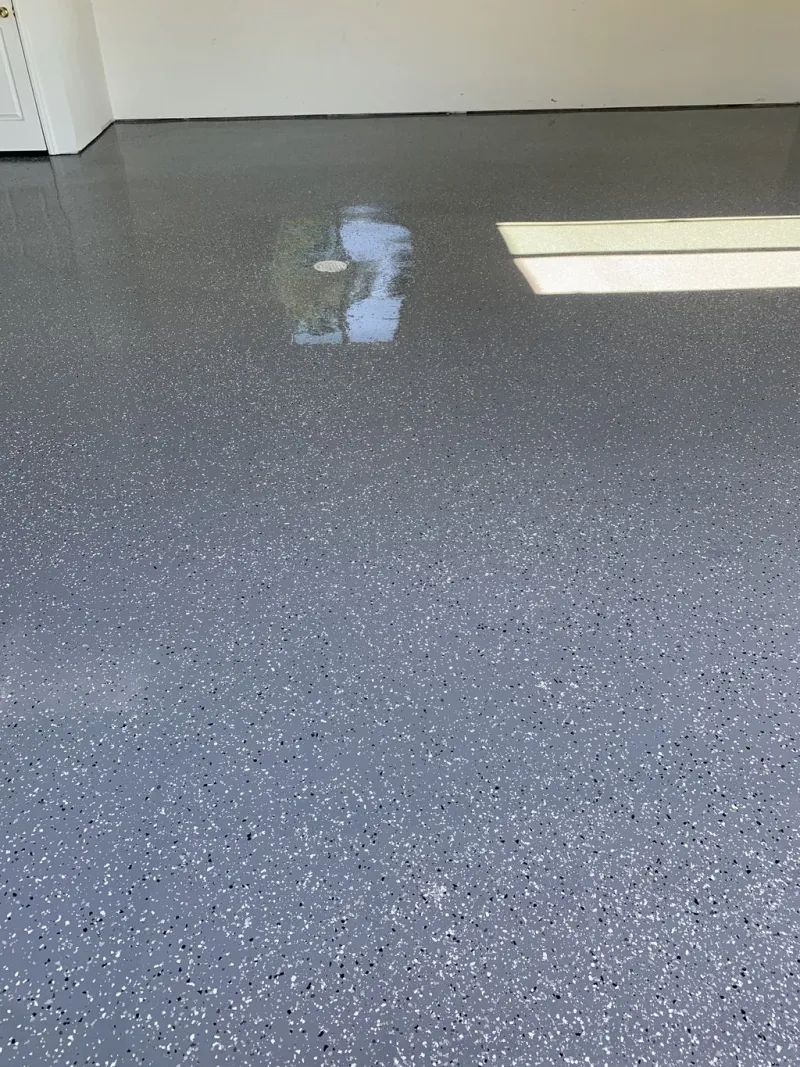
A UV-stable coating that cures in hours instead of days, goes down in cold weather, and does not amber in the sun like epoxy.
Learn More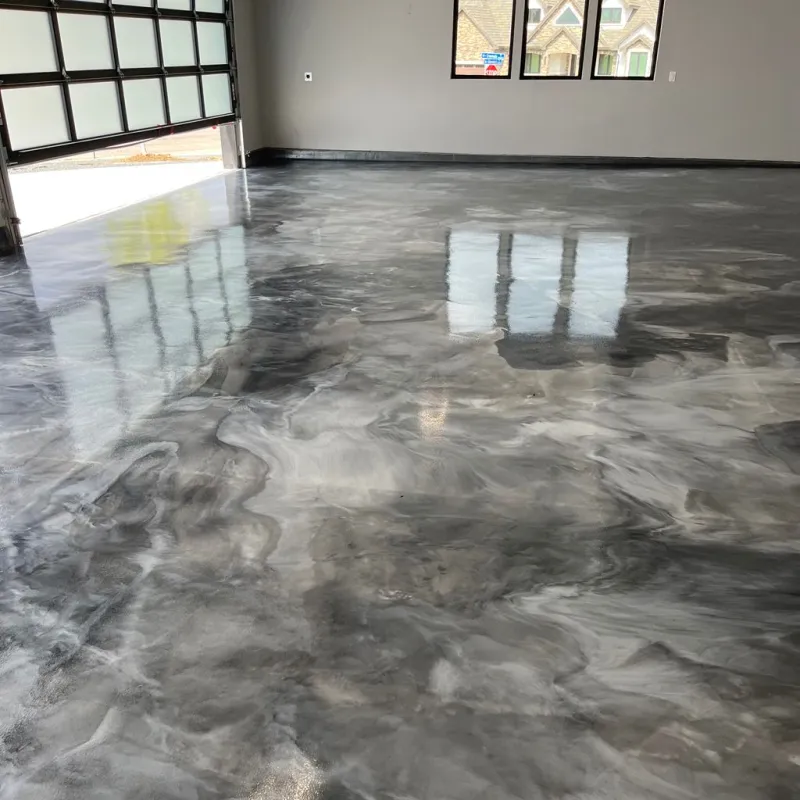
Hard-wearing epoxy systems for garages, basements, shops and commercial spaces — installed over properly ground and repaired concrete.
Learn More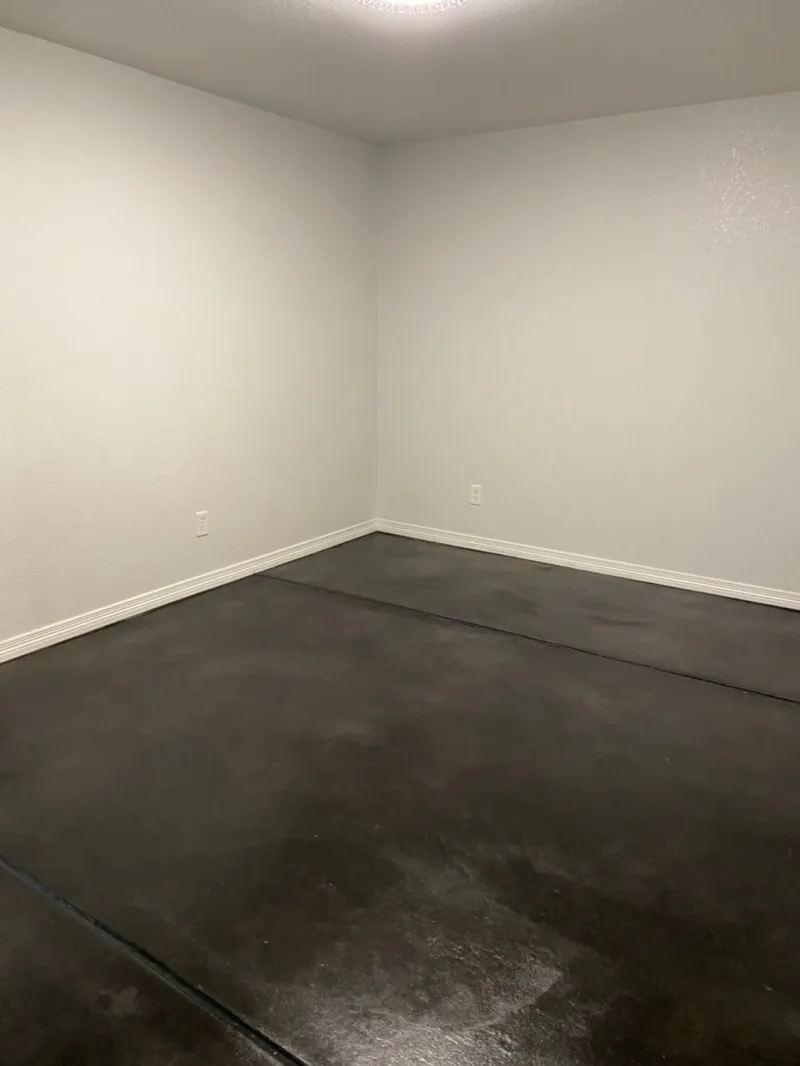
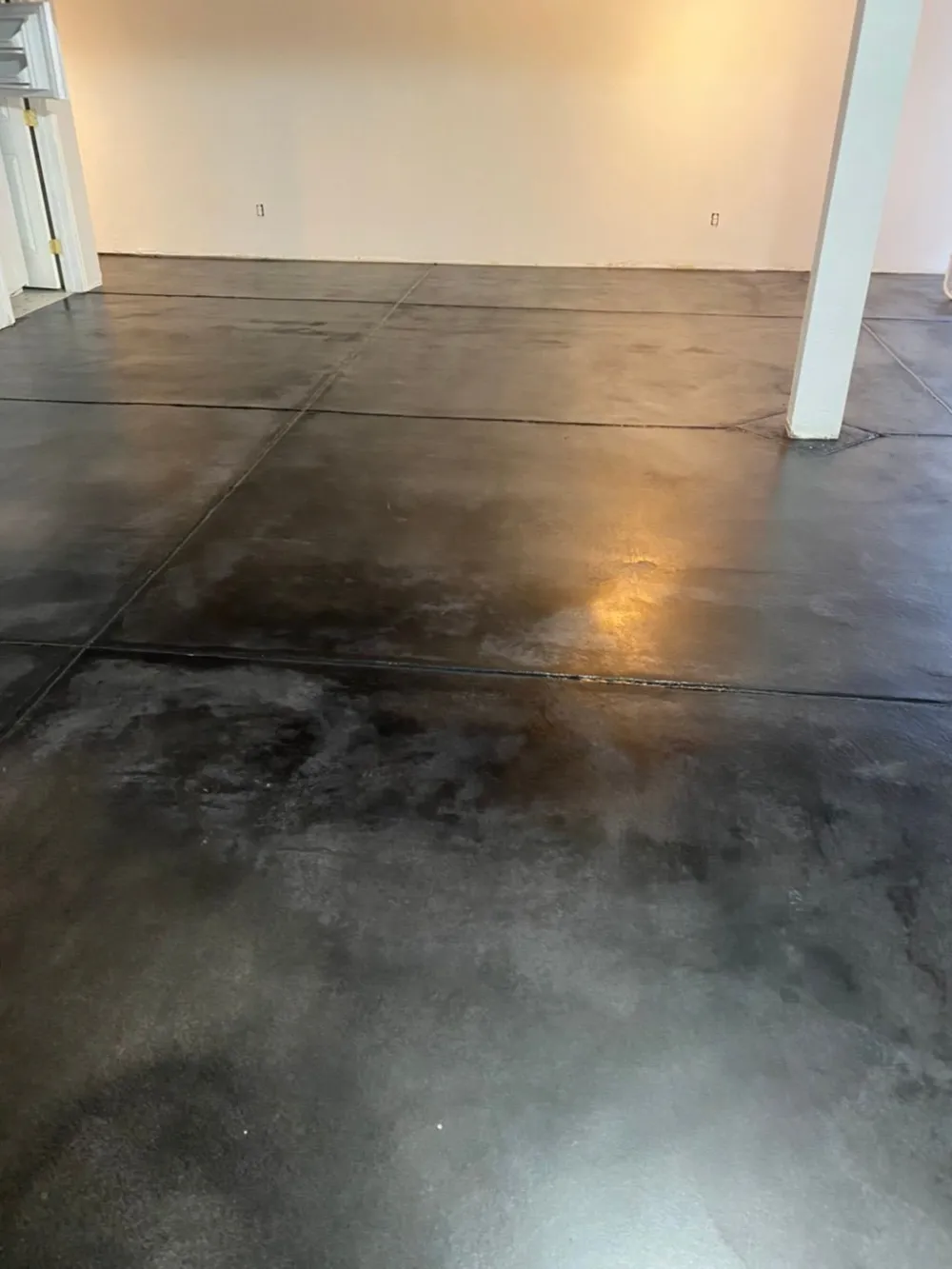
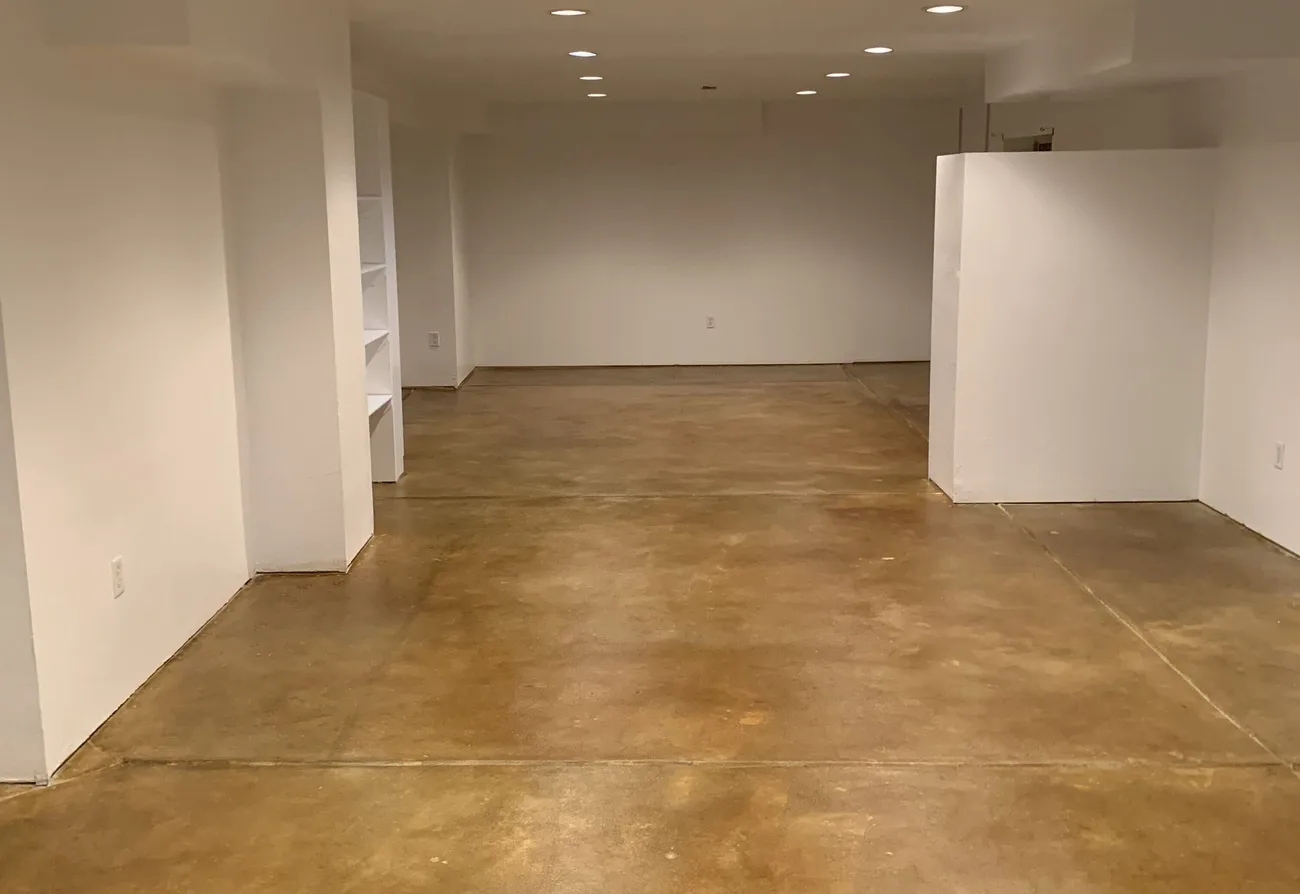
A sealed, warm-looking basement floor that stops concrete dust, cleans easily and does not turn into a problem when water shows up.
Learn More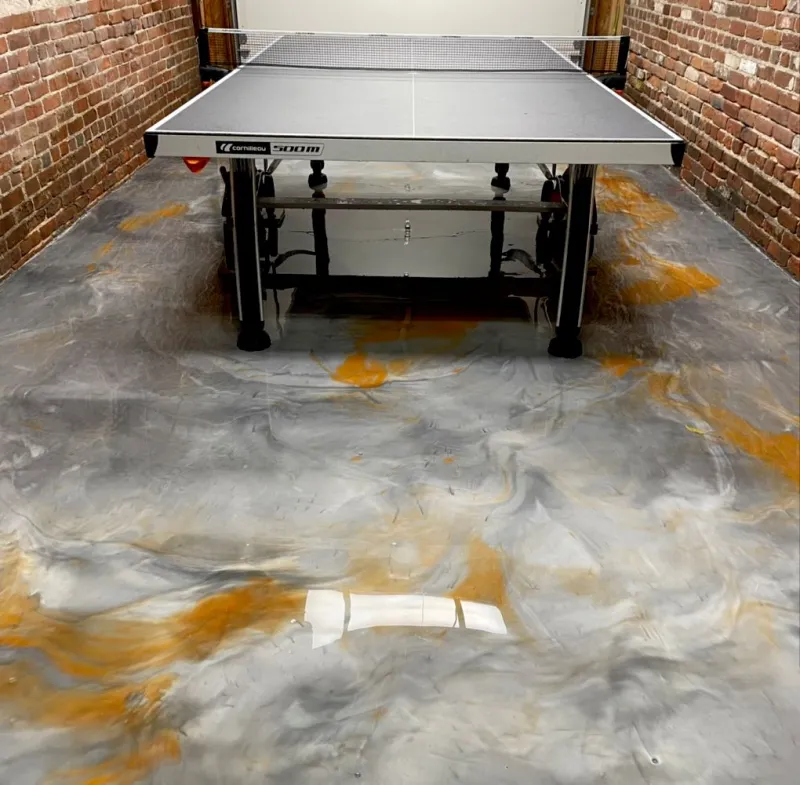
Marbled metallic finishes with real depth — poured, worked by hand and sealed. The floor people actually comment on.
Learn More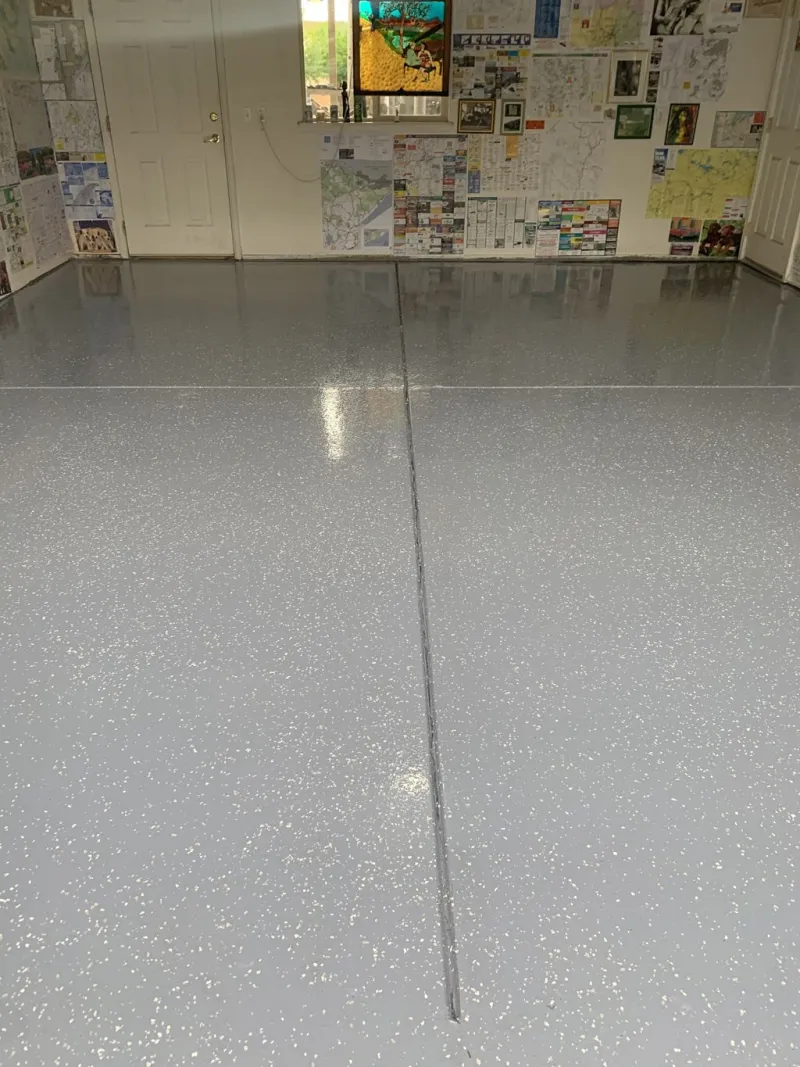
Vinyl flake broadcast into the base coat, then sealed — texture underfoot, hides dirt and wear, and it is the best value in coatings.
Learn More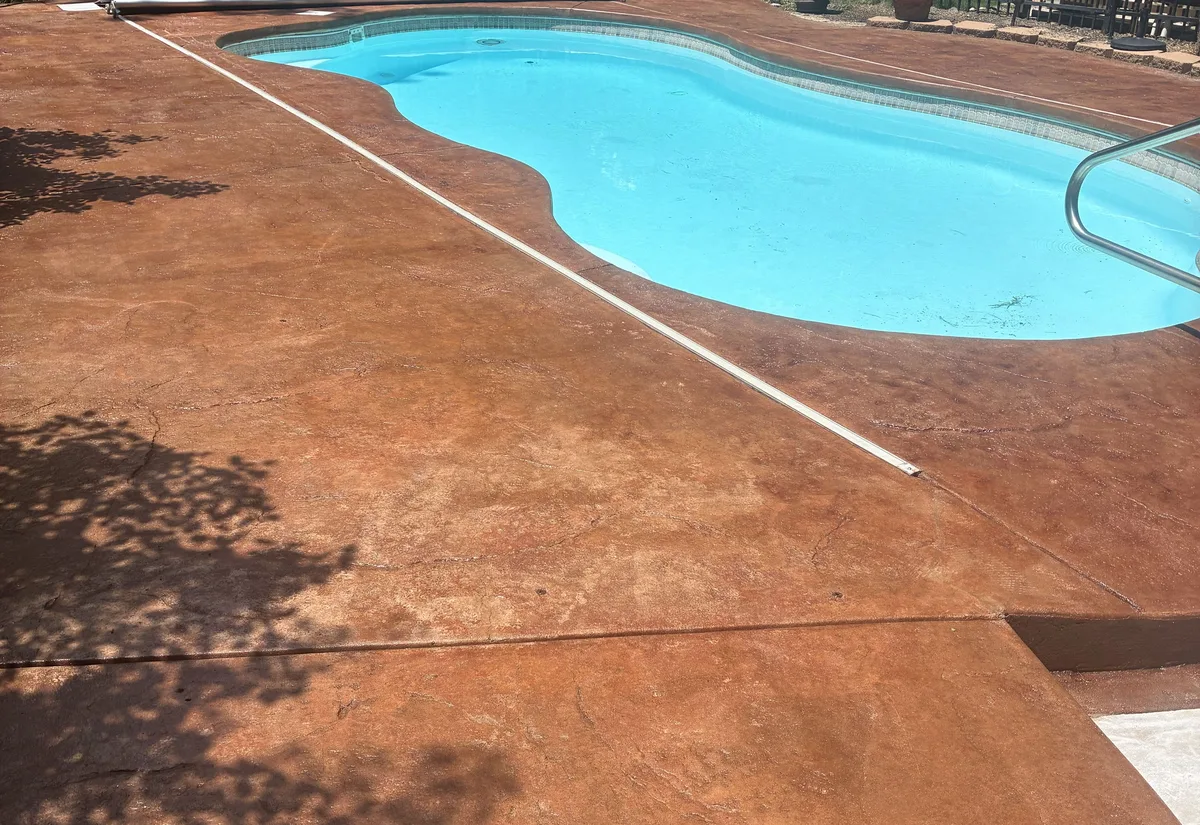
What concrete resurfacing costs in Denver per square foot, published ranges for driveways, patios, pool decks and floors, and when to resurface or replace.
Read more →Polished concrete or an epoxy coating for your Denver floor? How they compare on cost, basement moisture, road salt and altitude sun, with real ranges.
Read more →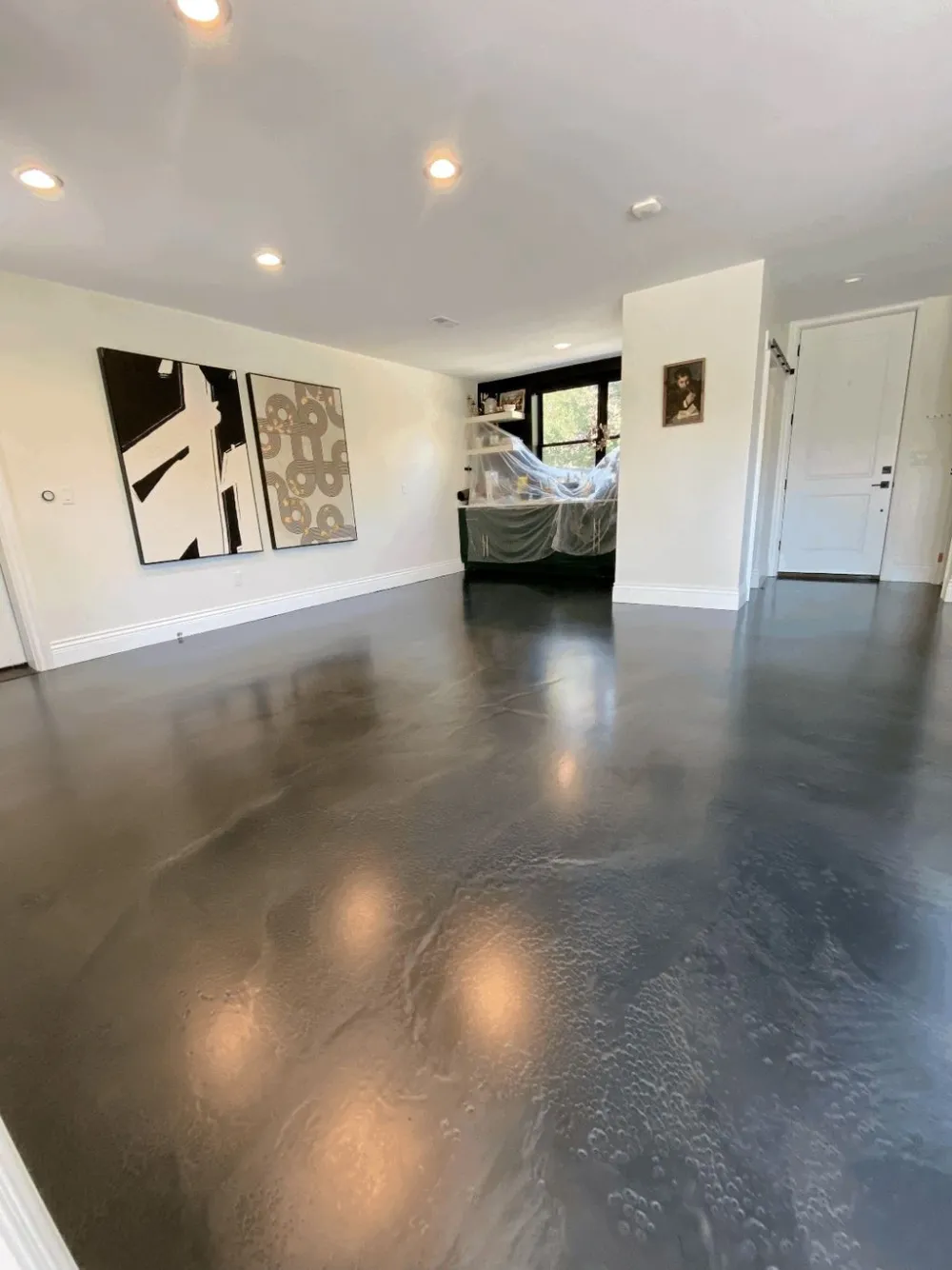
Finishing a Denver basement? Compare coated concrete, stained concrete and carpet on water risk, dust, gyms and cost — plus the moisture test that comes first.
Read more →Phil has been installing industrial flooring since 1992, and Denver Custom Coatings has 18 years behind it. The person who quotes your floor is the person who grinds and coats it.
Diamond grinding opens the concrete so the primer keys into the slab. Acid etching is faster and cheaper, and it is why most failed floors failed. Prep is where the job is won.
We walk the floor, price it in writing, and flag honest problems — moisture, contamination, a slab that needs real repair — before you commit. The number holds unless the scope changes.
Freeze-thaw, magnesium chloride off the highway and hot tires at altitude are hard on a slab. We specify systems that handle all three, including polyaspartic when the garage runs cold.
Bare garage slab, a basement you are finishing, a peeling floor that needs redoing, or a shop floor that has taken all it can? Call or send the form and we will walk the floor with you and hand you a free written quote.
Tell us about your project — we’ll get right back to you.